
23rd Sep 2026
Why Backyard Deck Post Caps Are So Important
A finished deck can still look incomplete when the tops of its posts remain exposed. Those open surfaces also come into direct contact with rain and outdoor moisture throughout the year. That’s one reason backyard deck post caps are important when you’re thinking about both the appearance and upkeep of your deck. When sized correctly, caps cover the open ends of the posts and create a neater transition at the top of the railing.
Cover Exposed Post Tops
At the top of a deck post, you’ll usually see exposed wood where the lumber was cut. That surface can absorb moisture when rain reaches it. Once a post cap sits correctly, it covers the cut end of the wood and reduces the amount of wear that reaches that surface directly.
You’ll still need to maintain the rest of the wood because a cap doesn’t protect an entire post. However, covering the top addresses a particularly exposed area without changing the structure itself. That makes a post cap a simple addition to regular deck upkeep.
Limit Direct Moisture Exposure
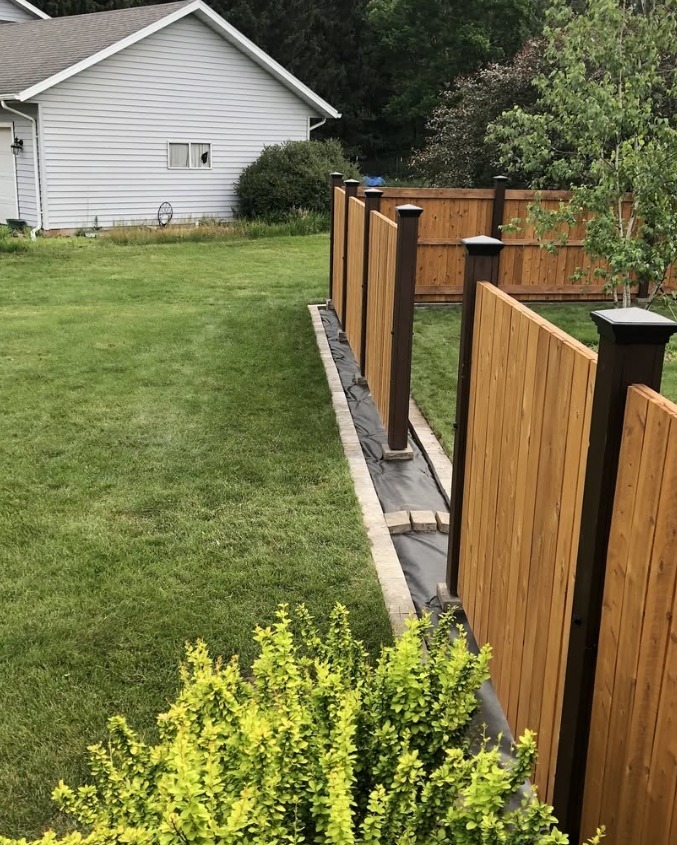
Rain can land directly on an uncovered post top, so a cap reduces the wood’s direct exposure to moisture. A cap won’t make the wood waterproof, and it shouldn’t replace routine maintenance. Instead, think of it as another practical layer of protection for an exposed part of your deck.
You should still watch the condition of the wood around each cap as the seasons change. If you notice cracks or other deterioration, address the underlying wood rather than expecting the cap to hide the problem. Good deck care still depends on watching the condition of the wood itself.
Give Posts a Finished Look
Post caps serve a visual purpose as well as a practical one. If your deck posts end with bare cuts, the railing can look unfinished despite the work you’ve put into the surrounding space. Caps give the tops of those posts a more deliberate appearance that works naturally with the surrounding railing.
That detail becomes especially noticeable on decks with prominent railing posts. Backyard deck post caps remain important because they help you address exposed post tops while giving the deck a cleaner finish.
When you’re considering caps, the following details can help you make a better choice:
- Looking at the condition of each post top
- Measuring the actual post dimensions
- Checking that each cap sits properly
- Choosing a style that suits the deck
- Rechecking caps during routine maintenance
Choose the Correct Size
Incorrect sizing becomes apparent during installation. A small cap may not settle onto the post, while an oversized one may have too much room around the wood to sit as intended.
Take your measurement directly across the post top so your choice reflects the lumber that’s on your deck. Additionally, check the product specifications because manufacturers may describe sizing differently. Checking those details can help you avoid choosing a cap that doesn’t fit as expected.
Larger Posts Need Attention
Large posts deserve just as much attention during measurement as smaller ones. If your deck uses 8x8 posts, measure the lumber itself when choosing 8x8 deck post caps instead of assuming the nominal measurement tells you everything you need. That distinction is especially useful on older decks, where post dimensions may vary slightly. Measuring each post helps you identify those differences before they affect fit.
Support Consistent Deck Style
You don’t need a major renovation to make an existing deck look more cohesive. If several visible posts have bare tops, matching caps can make the railing look more consistent. Because the caps sit at natural endpoints, they add definition without overwhelming the rest of the deck.
You can also use their shape to complement the character of the railing. A simple profile keeps the finish understated, while a more decorative shape creates a stronger accent. Either approach works best when the cap complements the existing deck.
Check Caps During Maintenance
Once you install post caps, include them whenever you inspect the deck. Outdoor exposure can affect post caps over time, so a quick visual check helps you spot one that has shifted or become damaged. You can then address the issue while you’re already working around the railing.
Pay attention to the wood beneath the cap as well. A cap shouldn’t become a reason to ignore changes in the post itself. Routine checks let you monitor both the cap and the wood beneath it.
Know When Replacement Helps
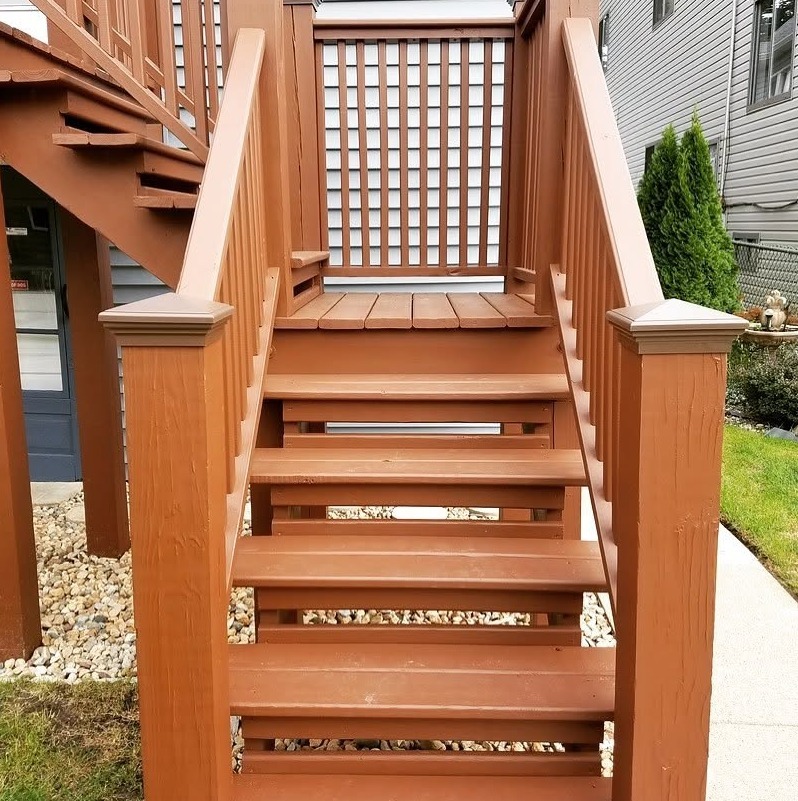
Replace a post cap if it no longer fits properly or has become damaged. Replacing a worn cap restores coverage over the post top and keeps the railing looking complete. If you notice damage around the cap, examine the wood beneath it before installing a replacement.
You may also decide to replace caps during a larger deck refresh. New caps can complement an updated finish without requiring changes to the railing structure. Consider the following situations when deciding whether a replacement makes sense:
- A cap no longer fits securely
- Visible damage affects the cap
- A cap has gone missing
- The post size has changed
- The existing style no longer fits
Avoid Sizing Assumptions
The name used for a piece of lumber doesn’t necessarily describe its exact finished dimensions. Measuring each post gives you the dimensions you need to compare against the cap’s stated fit.
You should also measure more than one post if you’re working on an existing deck. Older construction or previous repairs may leave you with dimensions that aren’t perfectly consistent throughout the railing. Checking first helps you identify those differences before you choose caps.
Keep Expectations Practical
Post caps work best when you treat them as one part of deck care rather than a complete solution. You’ll still need to inspect the wood and handle maintenance as conditions require. Adding a cap is a simple way to cover the open end of a post while giving the railing a more complete appearance. That makes post caps a practical finishing detail for many backyard decks.
Atlanta Post Caps offers several sizes for different deck post dimensions. Take a few minutes to measure your posts, check their condition, and see which cap size fits the wood you have. It’s a small project that can leave your deck looking more polished while giving those exposed post tops the coverage they need.