
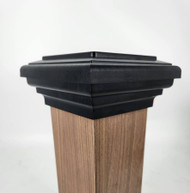
12th Oct 2026
What Are the Benefits of HDPE for Post Caps?
Post caps spend their working lives outdoors, so the material you choose deserves some attention. High-density polyethylene, better known as HDPE, has properties that make it useful for products exposed to changing conditions. When you consider the benefits of HDPE for post caps, you can better understand why this material works well outdoors. A closer look at those qualities can help you make a more informed choice for your fence or deck.
Get Familiar With HDPE
HDPE is a thermoplastic polymer that manufacturers use for a wide range of products. Its toughness and relatively low moisture absorption make it suitable for outdoor applications. If you’re comparing post cap materials, those characteristics give you a useful starting point.
You don’t need a background in plastics to understand what HDPE offers. Instead, consider what your post caps encounter once you install them outdoors. A suitable material should hold up to regular exposure without demanding constant attention from you.
A Practical Outdoor Material
You may already encounter HDPE in products made for outdoor use. Manufacturers value the material because it’s tough and doesn’t readily absorb water. Those properties translate well to components that spend long periods exposed to changing weather. As a result, HDPE is a practical option when you want post caps that can handle challenging conditions.
Handle Everyday Outdoor Exposure
Rain is unavoidable when you have an outdoor fence or deck. HDPE doesn’t absorb water readily, so moisture won’t soak into the material the way it can enter porous materials. That makes HDPE worth considering for post caps that stay outdoors year-round.
Weather exposure still varies based on your location and the conditions around your property. However, choosing a material with low water absorption makes routine rainfall less of a concern. You can focus your maintenance attention on the rest of the structure instead.
Moisture Stays on the Surface
When rain lands on an HDPE cap, the material doesn’t readily absorb that moisture. This property separates HDPE from porous alternatives that may absorb water. You’ll still want to keep the surrounding post in good condition because the cap doesn’t replace normal fence or deck maintenance. That low water absorption makes HDPE well suited to a cap that remains exposed outdoors.
Protect Exposed Post Tops
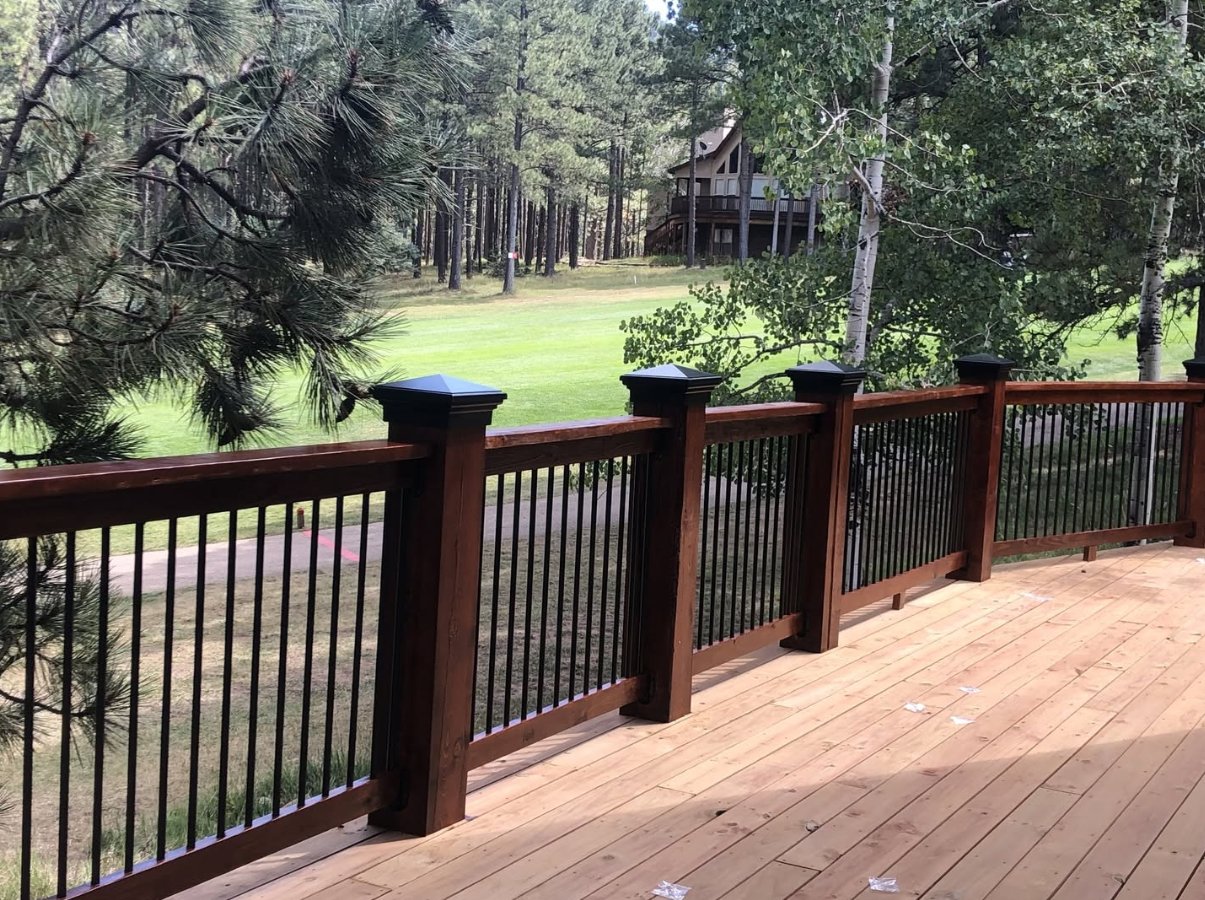
The top of a wood post has exposed end grain that faces upward and receives direct rainfall. A properly fitted cap covers that exposed surface and creates a physical barrier over the top. Fence caps fit over the tops of fence posts to cover the exposed wood while creating a more finished appearance.
You can see the benefits of HDPE post caps more clearly when you consider this exposed location. You want a cap material that won’t readily absorb the moisture it encounters. Proper fit remains important because the cap needs to match the actual dimensions of your post.
Here are a few points worth keeping in mind when considering that coverage:
- Cover the exposed top of the post
- Check the post’s actual measurements carefully
- Choose a cap with the appropriate fit
- Inspect the surrounding wood periodically
- Replace damaged caps when necessary
Choose Tough Outdoor Components
If your deck or fence sits near an active outdoor area, a durable cap can better handle occasional bumps. HDPE has good impact resistance, which helps the material withstand damage that might occur around a deck or fence.
That toughness becomes useful around decks and other spaces that people use regularly. A post cap shouldn’t become another delicate feature that constantly demands your attention. HDPE gives you an option that fits the practical nature of an outdoor structure.
Durability Without Extra Fuss
You probably don’t want post caps to add another complicated task to your property maintenance routine. Because HDPE absorbs little moisture, you don’t need to protect the material from water absorption. You should still inspect your caps occasionally for physical damage or changes in fit. Keeping those checks simple makes it easier to include them in normal fence or deck care.
Keep Maintenance Manageable
Outdoor components eventually collect dust and surface grime. With HDPE, routine cleaning is fairly straightforward because the material has a nonporous surface. Basic cleaning is usually enough to remove ordinary surface dirt.
You should still use cleaning products that are appropriate for the material. Harsh chemicals or abrasive tools may be unnecessary for ordinary upkeep. A gentler approach helps you clean the surface without turning a small maintenance job into a bigger project.
Consider Long-Term Outdoor Use
Once you install post caps, include them in your routine fence or deck inspections. Over time, changes in the wood or weather may affect how securely a cap fits. A quick check helps you spot movement or damage before the post top loses coverage.
Pay particular attention after severe weather or when you’re already inspecting the fence or deck. If a cap has shifted or shows visible damage, address the issue before leaving the post exposed.
Simplify Routine Upkeep
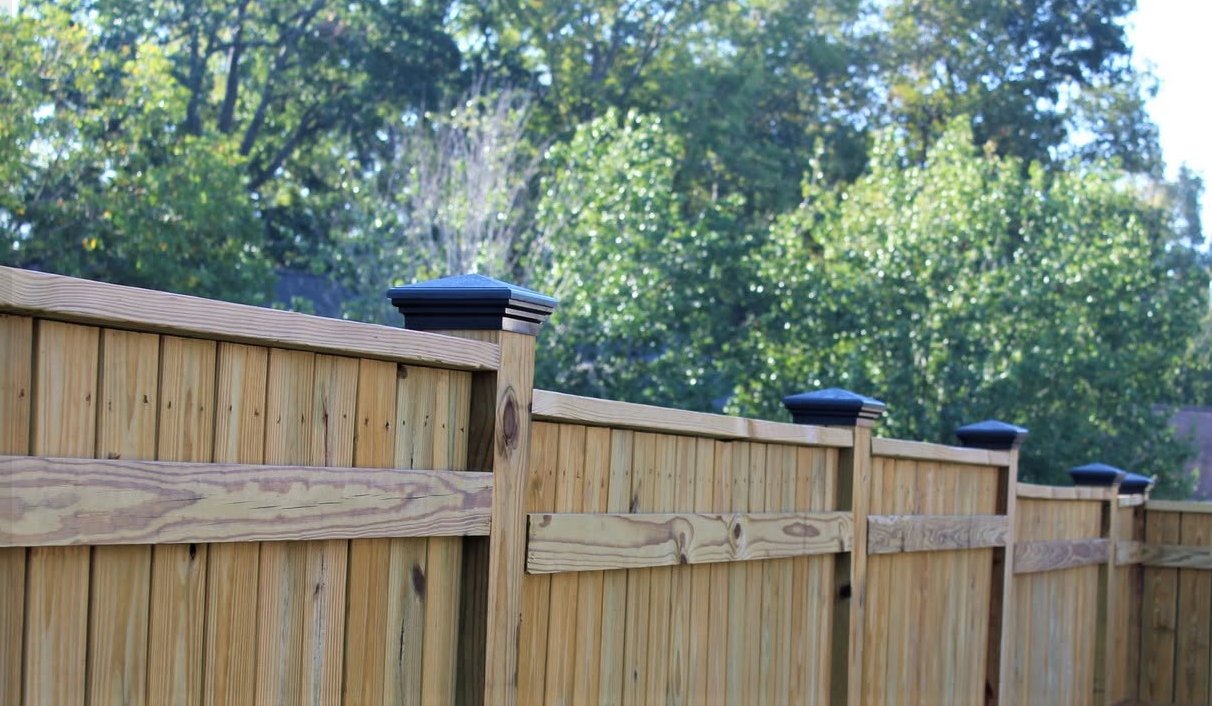
HDPE doesn’t need the same surface treatments that some materials may require. Instead, you can concentrate on basic cleaning and occasional inspections.
Simple upkeep also makes sense when you have numerous posts around a larger property. You can check each cap while inspecting the surrounding fence or deck. That way, checking the caps becomes part of the maintenance you’re already doing.
These basic habits can help you keep an eye on your caps:
- Remove accumulated surface debris
- Use gentle cleaning methods
- Check each cap for damage
- Confirm that caps remain secure
- Address problems when you notice them
Pay Attention to Fit
Material quality won’t make up for a cap that doesn’t fit your post correctly. Measure the actual post instead of relying solely on its nominal size. The post’s actual dimensions may differ from its nominal size.
A proper fit helps the cap cover the exposed top as intended. Therefore, check product specifications against your measurements before choosing a size. This small step can save you frustration during installation.
Choose With Confidence
HDPE offers practical qualities that suit the everyday demands placed on outdoor post caps. Its low water absorption makes it especially useful for caps that remain exposed to the weather. You can get the most from those qualities by pairing the right material with a properly fitted cap.
Atlanta Post Caps offers post caps for several common post dimensions. If HDPE sounds right for your project, measure your posts carefully so you know which size you need. Then, take a look at our collection to find an option that fits your project.