
Posted by Shawn Hales on 14th May 2026
Nominal vs. Actual: What To Know About Post Cap Sizes
Choosing the right cap for a fence or deck post sounds simple until measurements enter the conversation. Many homeowners discover a mismatch between the label on a wood post and the size they measure with a tape measure. As a result, nominal versus actual dimensions directly affect post cap sizes and the way they fit once they arrive. A little sizing knowledge helps outdoor projects look polished from every angle.
Why Sizes Confuse Buyers
Lumber companies use nominal sizing as a naming system rather than an exact measurement system. Confusion starts when shoppers assume the label reflects the final size.
Accurate measurements matter when buying post caps because a loose or tight fit changes appearance and performance. Caps protect exposed wood from rain, UV rays, and debris while adding a finished look to fences and decks.
Therefore, a properly sized cap sits securely without forcing pressure onto the post corners. Clean alignment also improves the structure’s visual balance.
Actual Lumber Dimensions
Modern lumber production trims rough-cut wood into smoother finished boards and posts. During that process, manufacturers remove material through drying and planing, which reduces the final dimensions.
A nominal 6x6 post commonly measures about 5.5 by 5.5 inches instead of a full six inches. Similar reductions apply across most standard post sizes used in residential construction.
Common Nominal Measurements
Many property owners buy caps based only on the name of the post size printed at the store. However, checking the actual dimensions first prevents installation headaches later. Additionally, older posts may measure differently due to moisture changes or previous construction standards.
Here are several common nominal sizes and their approximate actual dimensions:
- A nominal 4x4 post usually measures 3.5 by 3.5 inches
- A nominal 4x6 post commonly measures 3.5 by 5.5 inches
- A nominal 6x6 post generally measures 5.5 by 5.5 inches
- A nominal 8x8 post frequently measures 7.5 by 7.5 inches
- Pressure-treated posts may vary slightly depending on moisture content
Measure Existing Fence Posts
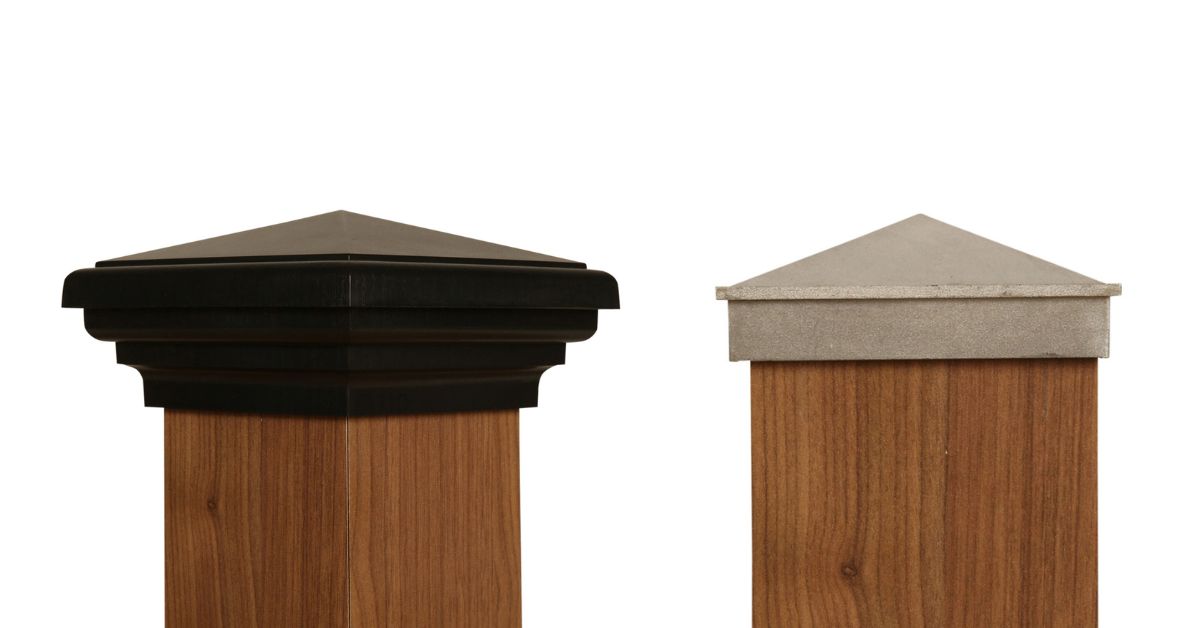
Before ordering caps, grab a tape measure and measure the post directly across the top surface. Measurements should include both width and depth because weather exposure sometimes creates slight irregularities. Furthermore, older wood posts may swell during humid seasons and shrink during dry conditions. Careful measuring prevents gaps that collect water or caps that refuse to slide into place.
Many contractors measure each post individually instead of assuming they match perfectly. Slight variations appear frequently in outdoor structures, especially in fences that were built years apart or repaired over time. Precision becomes even more important with decorative caps that feature tighter tolerances.
Once measurements are confirmed, shoppers can compare them against manufacturer sizing charts with greater confidence.
Square Caps Fit Better
Square caps work best when the post corners remain relatively straight and even. Crooked or heavily weathered posts sometimes need light sanding before installation. In addition, debris and old paint buildup should come off the top surface before fitting the cap. A smooth, level top helps the cap sit evenly and improves water runoff during storms.
Weather Changes Wood Size
Outdoor lumber expands and contracts throughout the year because wood naturally reacts to humidity and temperature. Summer moisture may slightly increase the dimensions of a post, while winter dryness can reduce them.
Small changes may seem minor, yet they affect tighter-fitting accessories like caps. Therefore, measuring during moderate weather provides a dependable baseline for sizing.
Understand Dimension Specifics
When buyers compare caps online, inside dimensions deserve just as much attention as exterior dimensions. Some caps include a snug interior fit intended for freshly milled lumber, while others allow slightly more room for pressure-treated posts that expand outdoors.
Installation methods also vary between manufacturers, so checking whether a cap uses screws or a friction-fit design helps avoid surprises during setup. A cap that fits properly without excessive force protects the top of the post without stressing the material itself.
Drainage features add another layer of protection that many shoppers overlook during the sizing process. Certain cap designs include subtle overhangs or interior channels that help move rainwater away from exposed wood fibers. Therefore, the shape of the cap works together with the sizing accuracy to improve long-term durability.
Small design details like these help fences and decks maintain a cleaner appearance through years of outdoor exposure.
Pick Material Thickness
Material choice affects durability and long-term maintenance. Resin, metal, and wood caps all interact differently with outdoor conditions.
Several features deserve attention before making a purchase:
- UV-resistant materials help reduce fading and surface breakdown
- Polymer resin caps resist cracking and moisture damage
- Thicker construction improves durability during seasonal weather shifts
- Smooth interior edges create easier installation on treated lumber
Decorative Styles And Proportions
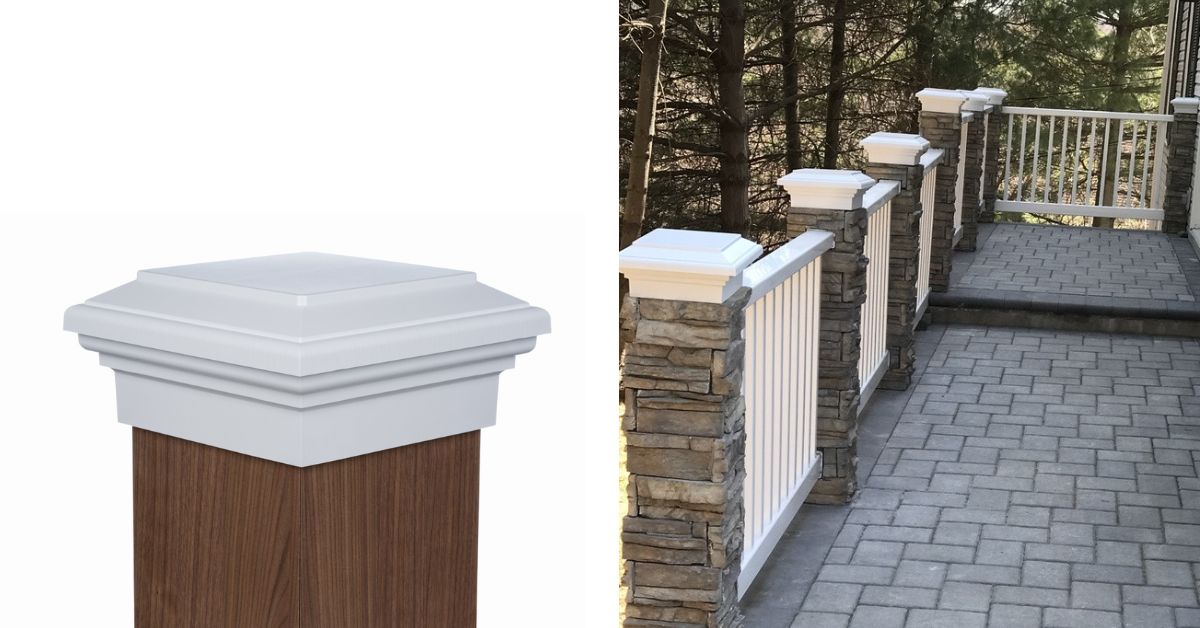
Cap style changes the personality of a fence or deck almost instantly. Flat caps create a clean, modern appearance, while pyramid styles bring a more traditional look. Additionally, larger decorative tops draw attention to entryways, gates, and patio borders. Good proportions keep the structure balanced instead of overwhelming the surrounding design.
Many homeowners match cap profiles with nearby architectural details such as railings, trim, or outdoor lighting fixtures. Coordinated design choices create visual continuity throughout the property.
On a related note, darker caps tend to emphasize contrast against lighter wood stains and painted fencing. Smaller decorative accents, therefore, play a surprisingly large role in curb appeal.
Match Height With Width
Wide posts generally look best with caps that maintain proportional height and overhang. A very short cap on a large 8x8 post can appear undersized and visually flat. Meanwhile, overly tall decorative caps may distract from the fence or deck itself. Balanced dimensions create a cleaner and more intentional finished appearance.
Many buyers focus heavily on width while overlooking cap height and edge detail. Proportion affects the look just as much as the fit. Rounded edges create a softer style, while sharper profiles produce a more contemporary appearance. Visual consistency across every post strengthens the final presentation of the entire outdoor space.
A well-fitted cap protects wood, improves appearance, and helps outdoor structures age gracefully through changing weather conditions. Clear measurements remove much of the frustration people experience when comparing nominal labels with actual lumber dimensions for post caps.
Atlanta Post Caps continues to help homeowners and contractors navigate sizing questions with options built for long-term outdoor performance. If your fence or deck project needs a cleaner finish and dependable fit, now’s a great time to choose caps that truly match the structure.