
Posted by Shawn Hales on 12th Aug 2026
9 Differences Between Residential and Commercial Fences
A fence shapes the appearance, function, and security of any property long before someone steps through the gate. While many look similar at first glance, the differences between residential and commercial fences become much clearer once you compare their long-term demands. Every project benefits from an option that matches the property's daily needs instead of following appearance alone. A closer look at these distinctions helps property owners make practical decisions that support both value and performance.
Purpose and Priorities
Residential fences focus on creating comfortable outdoor living spaces and defining property boundaries. Homeowners usually want a fence that complements the style of the house while providing privacy for family activities. Visual appeal carries just as much weight as function since the fence is part of the overall landscape.
Commercial fences serve a different role because businesses usually place security and controlled access at the center of every decision. They require fencing that supports daily operations while protecting people and property. Every design choice reflects those practical demands before decorative details receive attention.
Height Requirements
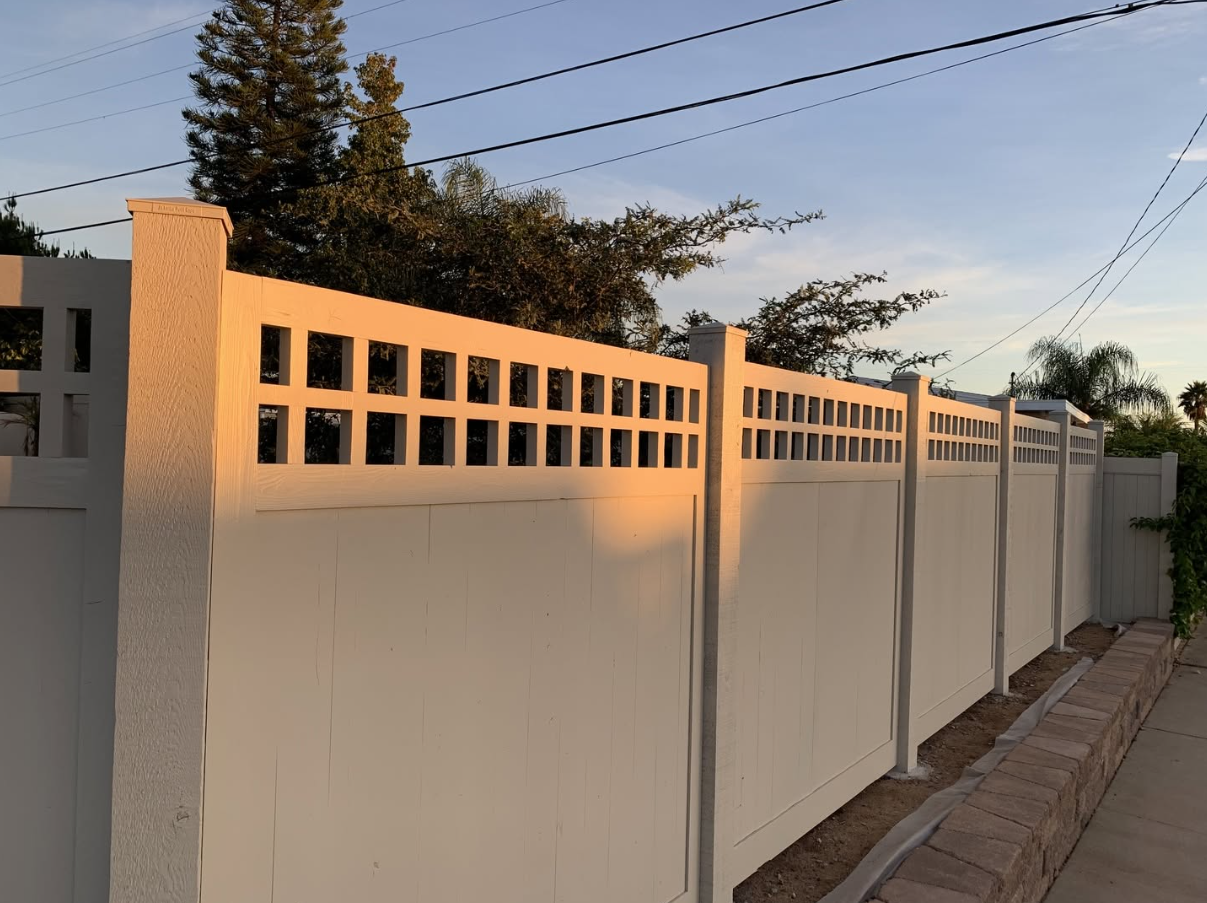
Fence height creates one of the easiest distinctions between residential and commercial projects. Local zoning rules usually limit residential fence heights, especially in front yards where visibility affects traffic safety. Backyard fences commonly provide enough privacy without creating an overwhelming appearance.
Commercial properties typically install taller fencing because larger sites require greater protection and clearer boundaries. Before selecting materials, owners should always review local building codes and permit requirements.
Several common height considerations include:
- Residential neighborhoods frequently have stricter height limits
- Commercial fencing commonly extends higher for added security
- Corner lots may have visibility restrictions near intersections
- Municipal codes usually influence maximum fence dimensions
- Permit requirements vary by property type and location
Material Selection
Residential fencing gives homeowners more flexibility when choosing materials because appearance usually plays a larger role. Wood is popular for its natural character, while vinyl offers easier maintenance and aluminum provides a clean decorative finish. Each material creates a different balance between cost and style.
Commercial fencing usually emphasizes durability over decorative appeal. Steel, heavy-gauge aluminum, welded wire, and chain-link systems perform well in demanding environments that experience constant activity. Strong materials help businesses manage daily wear while reducing repair needs over time.
Privacy Expectations
Privacy ranks high on the priority list for many homeowners. Solid wood panels, vinyl privacy fencing, and composite systems help create outdoor spaces where families can relax without constant visibility from neighboring properties.
Commercial properties usually have different priorities because full privacy isn't always practical. Open fencing gives employees, visitors, and security staff a clear view across the property, making it easier to move around and monitor activity throughout the day. That balance between visibility and protection helps businesses keep daily operations running smoothly.
Balancing Visibility
Some commercial sites combine privacy panels with security fencing to protect sensitive equipment without enclosing the entire property. Strategic placement allows businesses to shield valuable assets while maintaining visibility around entrances and parking areas. Residential properties rarely require that same balance because their daily use looks different. Each project benefits from evaluating visibility before selecting a fence style.
Security Features
Security expectations separate these two fence types in meaningful ways. Residential fencing discourages casual trespassing while protecting people and property. Gates with reliable locks usually provide sufficient protection for everyday living.
Commercial security demands a broader strategy. Additional features may include controlled entry systems or anti-climb designs. Those upgrades create stronger protection for properties with higher security demands.
Several security features frequently appear on commercial projects:
- Reinforced access gates
- Electronic entry controls
- Heavy-duty locking hardware
- Anti-climb fence designs
- Security camera integration
Maintenance Demands
Residential maintenance usually depends on the chosen material and local climate. Wooden fences require staining or sealing throughout their lifespan, while vinyl and aluminum generally need occasional cleaning to maintain their appearance. Small repairs are also easier because residential properties cover less fencing overall.
Commercial fencing typically experiences greater daily stress because vehicles and larger volumes of pedestrian traffic interact with the property. Property managers schedule inspections to identify loose hardware or damaged sections. Preventive maintenance supports reliable performance across expansive installations.
Appearance and Design
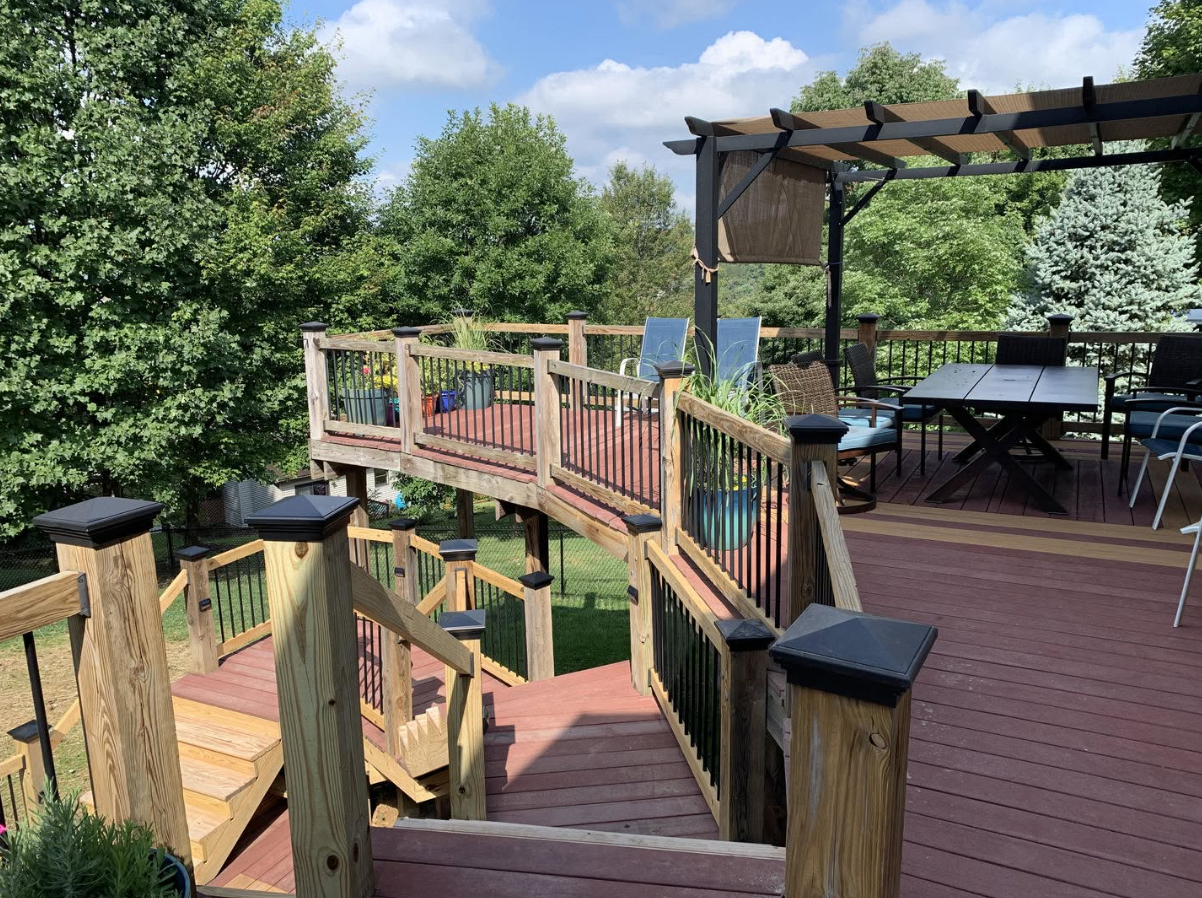
Homeowners generally view fencing as part of the property's character. Decorative accents, attractive colors, and architectural details help the fence complement outdoor spaces. Small finishing touches create a polished appearance that blends naturally with the surrounding environment.
One finishing detail worth considering involves fence post caps, which sit on top of fence posts to protect exposed wood from moisture while adding a finished appearance. Decorative post caps come in many styles and materials, giving homeowners and contractors flexibility when matching different fence designs. A quality post cap also helps extend the life of wooden posts by reducing direct water exposure.
Cost Considerations
Residential fencing budgets usually balance appearance with long-term value. Material choices, yard size, and installation complexity all influence the final investment. Homeowners often compare maintenance costs alongside the initial purchase price before deciding.
Commercial projects typically involve more resources and time. These factors naturally create larger project costs than most residential installations.
Installation Complexity
Residential fence installation usually progresses quickly because projects cover smaller areas with fewer access challenges. Experienced contractors still verify the property and local regulations before construction begins. Careful planning supports smoother installation while reducing unexpected interruptions.
Commercial fence projects usually require more planning before work begins. Construction takes place while the property remains open, so crews must organize each phase carefully to reduce disruptions and maintain safe access. That added coordination helps the project stay on schedule without interfering with normal business activities.
A fence is a long-term investment regardless of the property type, and thoughtful planning from the start produces better results. Residential and commercial projects each have unique priorities that influence every design decision, from height and materials to maintenance and security.
Atlanta Post Caps offers helpful resources for property owners who want to better understand finishing details such as post caps, and those insights can support smarter project planning. If you're preparing for a new fence installation or replacing an existing one, take time to evaluate your property's goals before choosing the solution that fits best.